I’ve seen some delightful license plates around here; just now, I saw one that said “CTRL-F5,” which seems to mean “a hard refresh” on most internet browsers, which is the sort of geeky type of thing you’d expect in this zip code. What I didn’t expect, however, are plates that say “TAXWLTH” (tax wealth) or even “GRAMSCI” (a literal communist), both of which were very real and sadly not pictured. It seems that I might not be the only Lake Stinko commie pinko around.
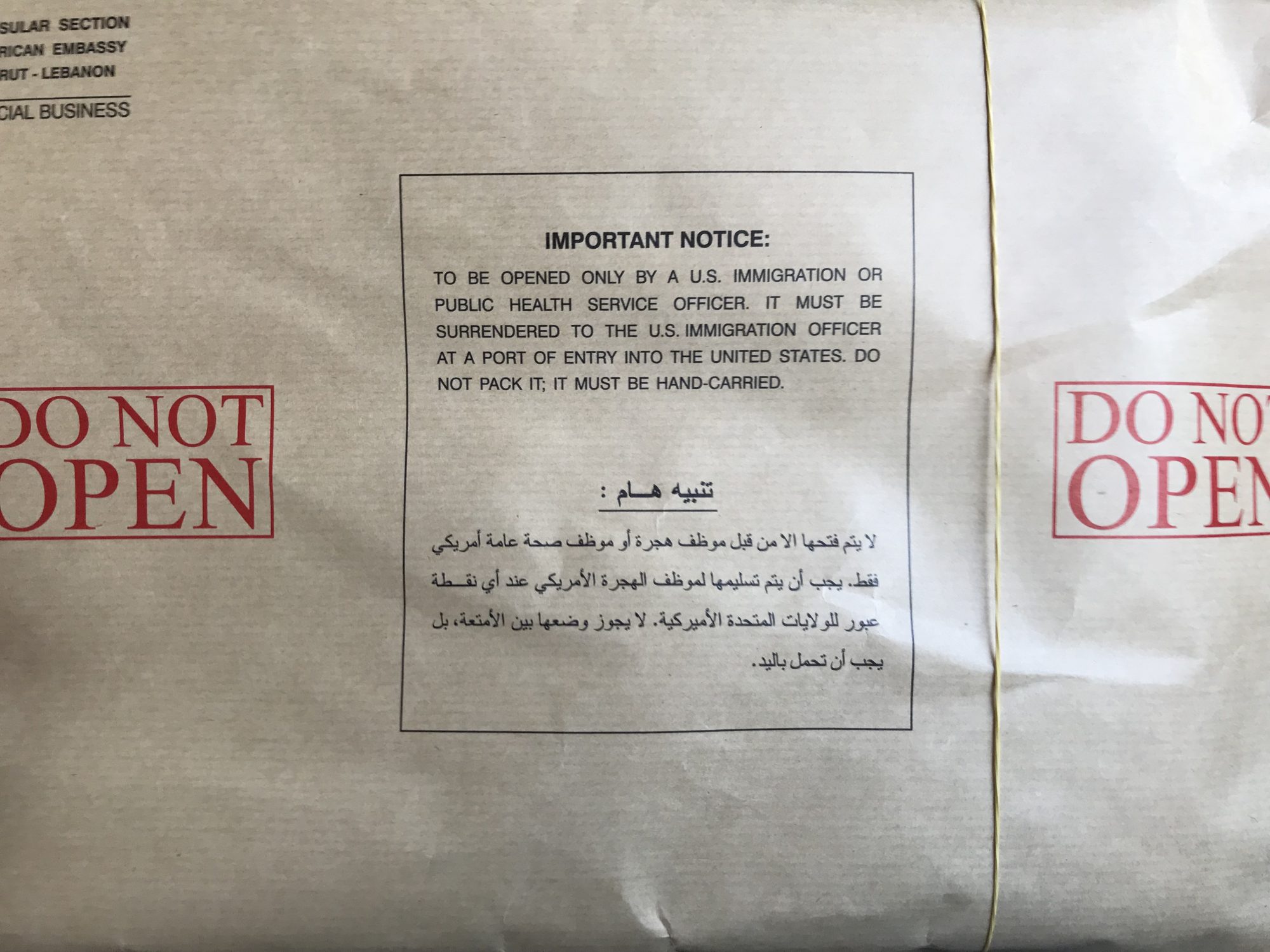
So, what would Gramsci have to say about holding proletarian sympathies in a zip code like 98112? Is a vanity plate with agitprop a stratagem in the War of Position? Is this life of upward mobility a step in the Long March through the Institutions? The dialectic of protest and comfort has obviously been on my mind long before I ever moved here; it’s what crosses the mind of every one of us who darkens the doors of empire’s embassies, hoping for a visa or two. But it’s a lot more obvious by the shores of Lake Washington than on the edge of I-5.
I don’t know. In any case, I came across this quote while looking up Gramsci. It’s Marcuse on the work of creating “counterinstitutions,” or “working against the established institutions while working within them, but not simply by ‘boring from within’, rather by ‘doing the job’, learning (how to program and read computers, how to teach at all levels of education, how to use the mass media, how to organize production, how to recognize and eschew planned obsolescence, how to design, et cetera), and at the same time preserving one’s own consciousness in working with others.”
One can dream.
There’s a simple logic to the discomfort that many people have around America’s racist and colonial history, a guilt that’s either disavowed by doubling down on innocence and exceptionalism (“great again”) or compartmentalized and tamed by routine acknowledgements of land and conquest, like some abracadabra that makes it all better, because, you know, we did read a land acknowledgement. And I don’t know which is worse.
The logic goes like this: as descendants of perpetrators of violence, we cannot imagine a restoration of rights and a righting of wrongs that does that entail violence against us. That’s the talking point. That’s the “right to exist” that must be insisted upon. That’s the “love it or leave it” line.
I mean, if it’s so bad here, why did you come?
But that’s the thing: we like it here. Isn’t that why you stole the place? Because it’s nice?
Only victimizers imagine worlds where someone’s gotta hurt for anyone to heal. That’s the colonizer’s heritage and epistemic trauma. He’d rather die than face his demons.
I think about these things in particular when I think about photography — how my ways of seeing reproduce the cultural hegemonies of my place and time, and the narrative tactics I employ to try and evade them.
Remember imagology? Kundera wrote: “All ideologies have been defeated: in the end their dogmas were unmasked as illusions and people stopped taking them seriously. For example, communists used to believe that in the course of capitalist development the proletariat would gradually grow poorer and poorer, but when it finally became clear that all over Europe workers were driving to work in their own cars, they felt like shouting that reality was deceiving them. Reality was stronger than ideology. And it is in this sense that imagology surpassed it: imagology is stronger than reality.”